

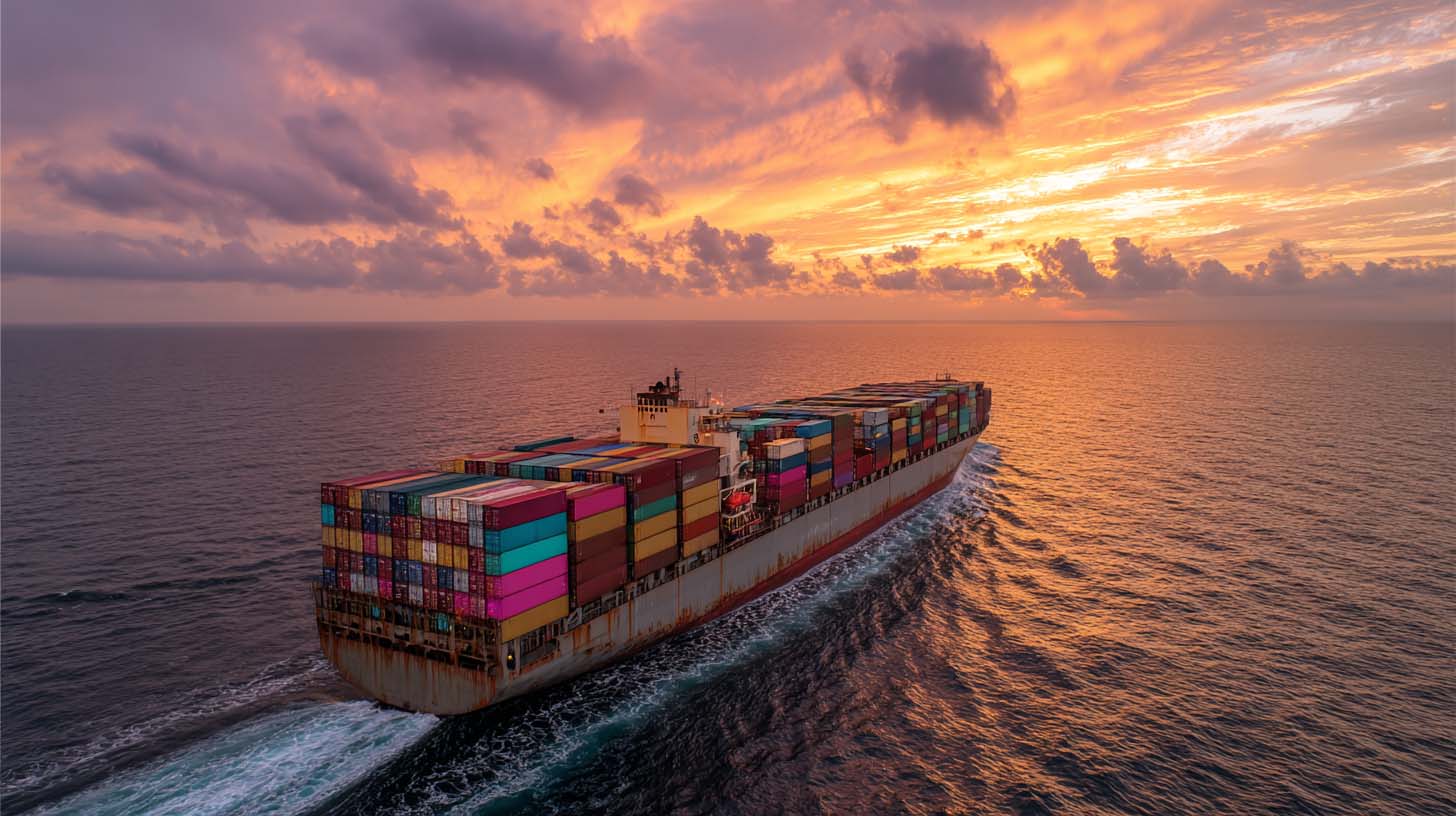
Maritime transport is one of the most strategic areas forming the backbone of global trade. The enormous structures we see in ports are not merely piles of metal; they are a perfect combination of engineering, economics and logistics. At this point, ship types show significant differences depending on the cargo they carry, their routes and their technical equipment. Each ship is designed to meet a specific need, and these designs directly impact the pace of global trade.
How Are Ship Types Classified?
Ship types are classified not only according to the cargo they carry, but also based on their hull structure, draught depth, loading and unloading systems, and the geography in which they operate. This classification directly affects a ship's technical characteristics, suitability for ports, and economic performance; for example, two ships carrying the same cargo may have completely different technical characteristics due to differing port infrastructures. Classification enables operators to select the most suitable ship based on the route, port capacity and cargo type, thereby optimising fuel consumption and reducing voyage costs. Effective selection speeds up port operations and shortens the ship's transit time, which in turn strengthens the supply chain. Determining the correct vessel type maximises cargo safety, minimises risks, and increases transport efficiency.
What is a Cargo Ship?
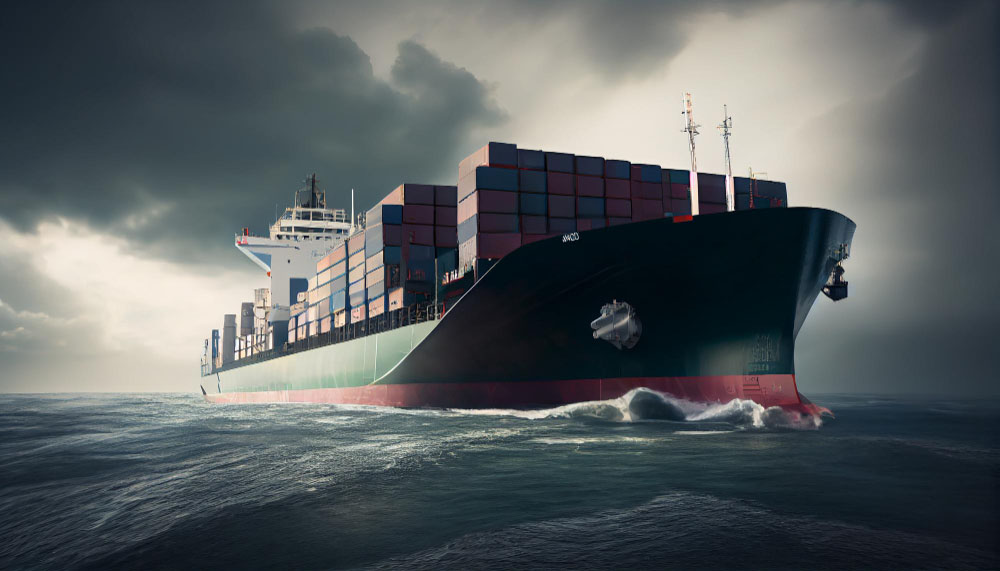
A cargo ship is a commercial vessel used for transporting containers, bulk cargo, general cargo or project cargo. However, this definition only covers the visible part of the job. In modern logistics, cargo ships transport large volumes of goods safely and regularly between ports, forming the backbone of global trade by working alongside terminal operations, shipbuilding and international regulations.
Cargo ships: They ensure the continuity of the global supply chain and reduce the carbon footprint compared to road and air transport, making large-volume shipments economical.
Oil Tanker: Carrier of Invisible Risks
When it comes to the energy sector, the most critical vessels in shipping are oil tankers. These vessels can transport millions of barrels of crude oil or refined products in a single trip and are vital for economic growth; however, it is not just their capacity that makes them special. The scale of transportation greatly increases the economic and environmental impact of a potential accident, so operational rigour is essential. They feature a double-hulled structure, are equipped with advanced leakage and pressure control systems, and are strictly subject to international environmental regulations. These features minimise the risk of ecological disasters that even minor engineering errors could cause; nevertheless, tankers are among the vessels with the highest safety standards in the maritime sector and are protected by continuous monitoring.
Types of Ships
The types of ships used in maritime transport are shaped by numerous factors, not limited to a single criterion. The purpose of transport, technical equipment, capacity, and service area play a decisive role in this classification. Today, ships designed specifically for passenger transport and cargo ships used for commercial activities are particularly widespread. However, it is also a well-known fact that there are numerous types of ships in the maritime sector that cater to different needs.
Companies offering logistics solutions can access the appropriate ship types for their needs. In this context, ships are broadly categorised as follows:
- Cargo ships
- Passenger ships
- Special service ships
- Warships
Within this classification, warships are excluded from commercial logistics processes as they undertake defence and military operations. Logistics and transport activities are primarily carried out using cargo, passenger and special service vessels. Selecting the most suitable vessel type according to customer requirements is particularly important in terms of operational efficiency. It should also be noted that each vessel type is divided into different subcategories.
The Purpose of Use of Ship Types
The areas of use for different types of ships vary according to their technical specifications and design structures. This difference is entirely natural, as each ship is designed to serve a specific need. The primary objective for passenger ships is the comfort and safety of travellers. For this reason, passenger ships are designed with spacious living areas, social amenities and high capacity. Solutions aimed at increasing comfort during long journeys are among the fundamental characteristics of these ships.
Cargo ships, as the name suggests, are used for cargo transportation. While container ships may first come to mind for most people, cargo ships are not limited to this class. There are many different types of ships suitable for transporting bulk cargo, general cargo or liquid cargo. The main objective here is to choose the most suitable vessel for the nature of the cargo to be transported.
Special service vessels, on the other hand, cater to needs that fall outside standard shipping. These vessels, which are tailored to customer requirements, are used for specific projects or special operations. This enables the provision of flexible and solution-oriented services in the maritime sector.
How Will Ship Types Change in the Future?
Future ship types will not merely be larger or faster; they will be smarter and more environmentally friendly. Alternative fuel systems, artificial intelligence-supported route planning and unmanned ship projects are fundamentally transforming shipping.
- LNG and methanol-fuelled ships will become widespread
- Ship types with low carbon emissions will come to the fore
- Ships will be monitored in real time using digital twin technology