

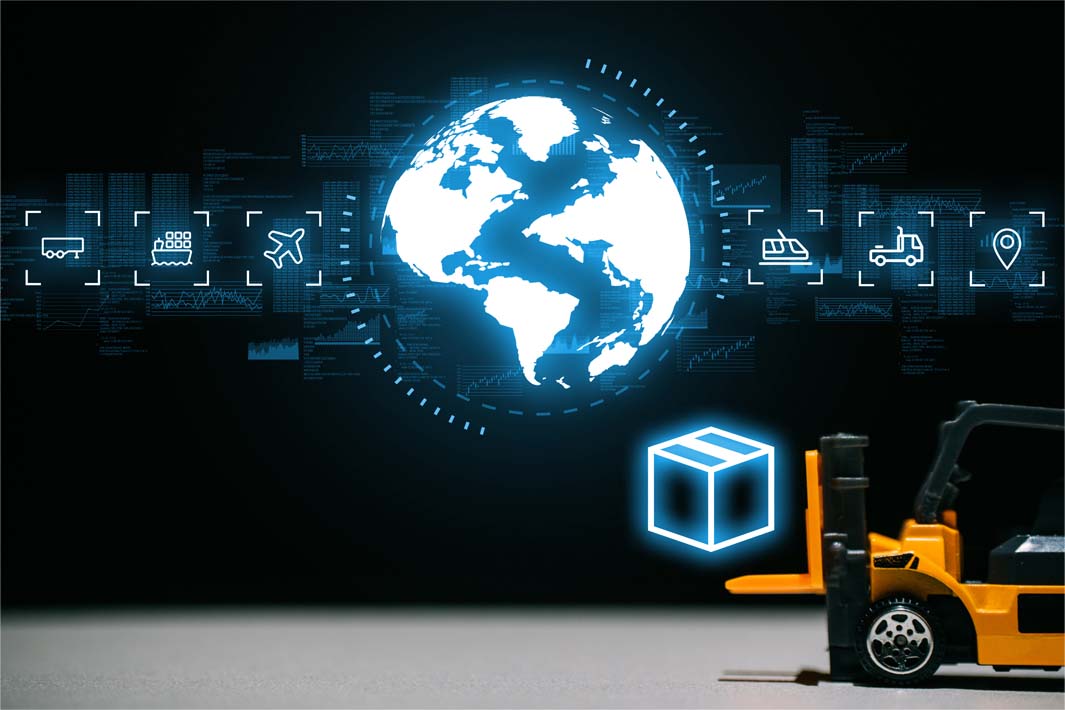
Smart logistics is a modern logistics model in which transportation, warehousing, ordering, inventory, routing, and delivery are managed through sensors, software, automation, artificial intelligence, and real-time data analysis. In traditional logistics, decisions often move forward through manual tracking, phone calls, and delayed reports; in smart systems, where a product is, which vehicle is carrying it, when it will be delivered, and whether any risk has emerged along the way become visible far earlier. For businesses, the valuable part is that complex operations become calmer and more measurable. For a warehouse worker, a shipment planner, or a foreign-trade team, the greatest relief is the reduction of uncertainty. Once smart logistics systems are fully in place, many steps from order to delivery become easier to monitor, errors are caught sooner, and communication with the customer grows stronger.
The Concept of Industry 4.0
Industry 4.0 is a new-generation industrial approach in which machines, software, sensors, and data networks work together across production and business processes. Equipment on the factory floor generating data, systems flagging the likelihood of a breakdown in advance, production plans adjusting to demand, and managers being able to follow the process from a screen describe its basic framework. Here, digital transformation does not simply mean moving an old system onto a computer. A company's decision-making style, its habits of reading data, its workflow, and its human resources all change as well. The mindset that began on the production side with Industry 4.0 soon carried over into warehousing, distribution, and supply chain management. The Industry 4.0 approach gives logistics teams room for more accurate planning, less loss, and faster response.
The Concept of Logistics 4.0
This fourth phase refers to logistics operations being managed through connected devices and data analytics. Vehicle tracking systems, smart warehouse shelving, automated order flows, barcodes, RFID, GPS, AI-supported route suggestions, and real-time performance dashboards form its basic structure. Digital transformation here rests on making every movement in the field traceable. If a shipment is running late, the system issues an early warning; if stock runs low in the warehouse, the inventory plan is updated; if congestion builds on a vehicle's route, an alternative path can be considered. Instead of wrestling with scattered data as before, the operations team sees a clearer picture on a single screen. For companies, the real gain is more than speed. Making decisions with reliable data, seeing costs clearly, and giving customers precise delivery information sit at the heart of the work.
The Phases of Logistics
The evolution of logistics follows a clear line that shows how technology has touched transportation and warehousing. Each era has brought new tools and working habits that reduced the shortcomings of the one before it.
Logistics 1.0: The period when mechanical power began to spread in transportation. Steam engines made shipping by sea and rail far stronger.
Logistics 2.0: Efficiency rose across transport infrastructure. Automobiles, trucks, and rail networks laid the groundwork for a more organized shipping structure.
Logistics 3.0: Computer-assisted management systems came into play. Inventory, orders, shipments, and warehouse records began to be tracked through software.
Logistics 4.0: Internet connectivity, real-time data analysis, IoT, artificial intelligence, and automation entered these processes. Transport planning, warehouse movement, and delivery information became more traceable.
Technologies Used in Smart Logistics Systems
At the foundation of smart logistics systems lies the logic of collecting data, making sense of it, and returning it to the field as fast decisions. IoT sensors can track a vehicle's temperature, location, door-opening events, or transport conditions. RFID and barcode infrastructure enables products to be tracked from warehouse entry to shipment exit. Artificial intelligence can be used for route, demand, and inventory forecasts by drawing on past delivery data. Automated warehouse systems bring more order to product placement, picking, and packing. Data dashboards show managers daily performance. Late deliveries, empty vehicle runs, warehouse congestion, and inventory deviations become easier to spot. Technology alone is not enough. A setup is needed in which employees understand the system, data is entered correctly, and processes fit the real workflow.
Functions and Applications of Logistics 4.0
The most visible function of smart systems is tracking and traceability. From the moment an order is prepared to the moment it is delivered, the process is recorded step by step. In cold-chain transportation, temperature data can be monitored; for high-value products, location control can be applied; in e-commerce operations, warehouse labor can be planned according to order volume. Transport management systems can determine the most suitable route and vehicle match. Warehouse management software organizes shelf addresses, stock levels, and product movements. On the customer side, delivery times are communicated more precisely. In logistics, even small delays can create pressure on sales, production, or customer satisfaction. Smart applications give teams calmer room to maneuver by alerting them before a delay occurs. The impact of the new industrial mindset becomes more visible here, because physical operations begin to speak through data.
What Are the Benefits of Logistics 4.0?
The smart logistics approach brings companies speed, transparency, cost control, and stronger customer communication. Empty mileage can drop, warehouse space can be used more efficiently, and overstock or understock can be seen earlier. Planning teams make more realistic forecasts using past data. As the system matures, the risk of manual error falls, reporting becomes more reliable, and managers lean on data rather than intuition when making decisions. On the customer side, clearer delivery information strengthens trust. In exports, e-commerce, retail, manufacturing, and fast-moving consumer goods, information flow matters as much as delivery speed. If a company can clearly explain when loading will happen, where the vehicle is, and what stage the delivery has reached, the business relationship is built on firmer ground. Smart infrastructure makes it easier to act with a plan rather than in panic during busy periods.
Points to Consider on the Digital Transformation Journey
Moving to smart logistics systems is not a one-time software purchase. A company should first understand its current operation, identify the steps that waste the most time, and set measurable goals. Rather than investing in technology for its own sake, it should choose solutions that answer real needs. If data quality is weak, even the best system will not produce the right result. When staff training, integration, cybersecurity, device maintenance, and process ownership are made clear, the investment moves forward more soundly. Starting small and seeing the results is an easier path for most companies. Vehicle tracking, warehouse management, or order monitoring can be set up first. AI-supported forecasting, automation, and advanced reporting can be added afterward. In logistics, technology is not a cold structure that removes people from the loop but a practical support that makes the team's work more understandable. With the right setup, operations run more safely, the customer relationship stays warmer, and management moves forward more comfortably. Understanding teams' concerns during the transition also matters. New screens, new tasks, and new reports can feel tiring at first. Clear training, simple instructions, and small pilots help employees adjust to the system more easily. When the management team frames the goal as shared productivity rather than punitive monitoring, technology becomes a natural part of daily work. The priority is to see the real need in the field and tie every step to a measurable gain. A structure that advances piece by piece reduces unnecessary costs and helps teams join the change with confidence.